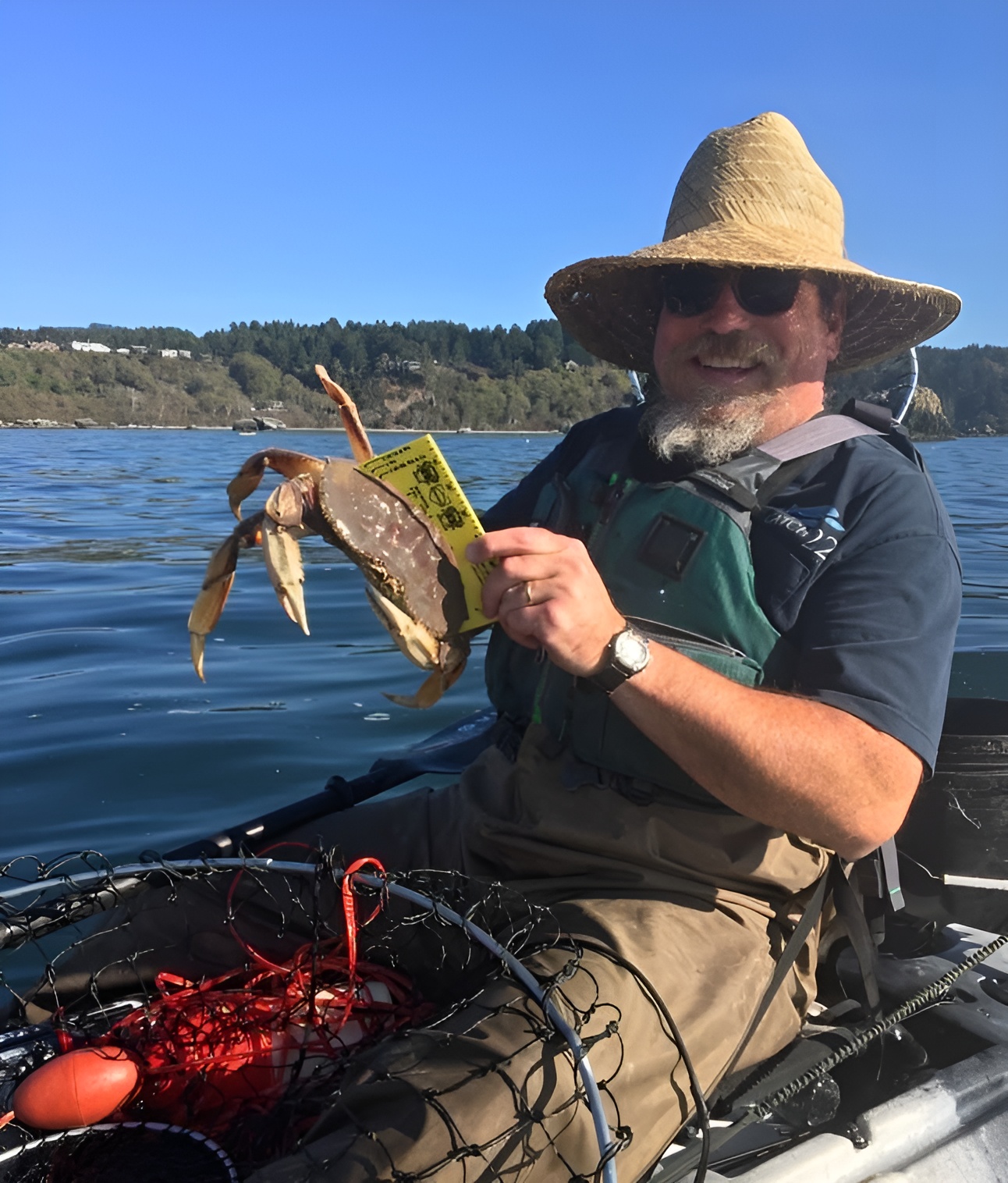
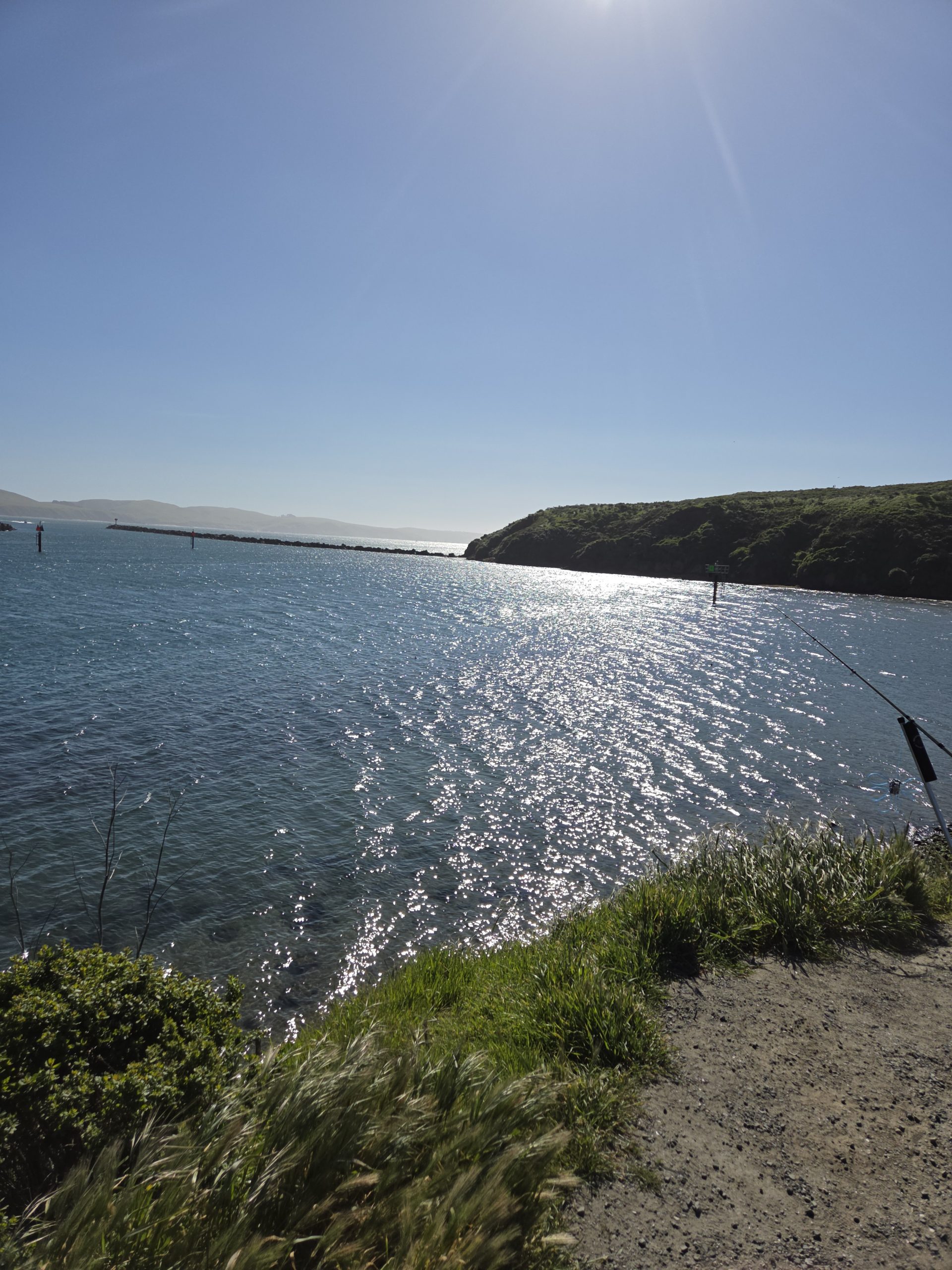
Deploying the Widow’s Rope takes more trust than technique. Before heading out, most crabbers pack a small bait box filled with oily fish heads, since scent is what draws crabs to a line with no visible markers to guide them. This method has quietly circulated among those doing Pacifica crabbing for years, passed along more through word of mouth than instruction.
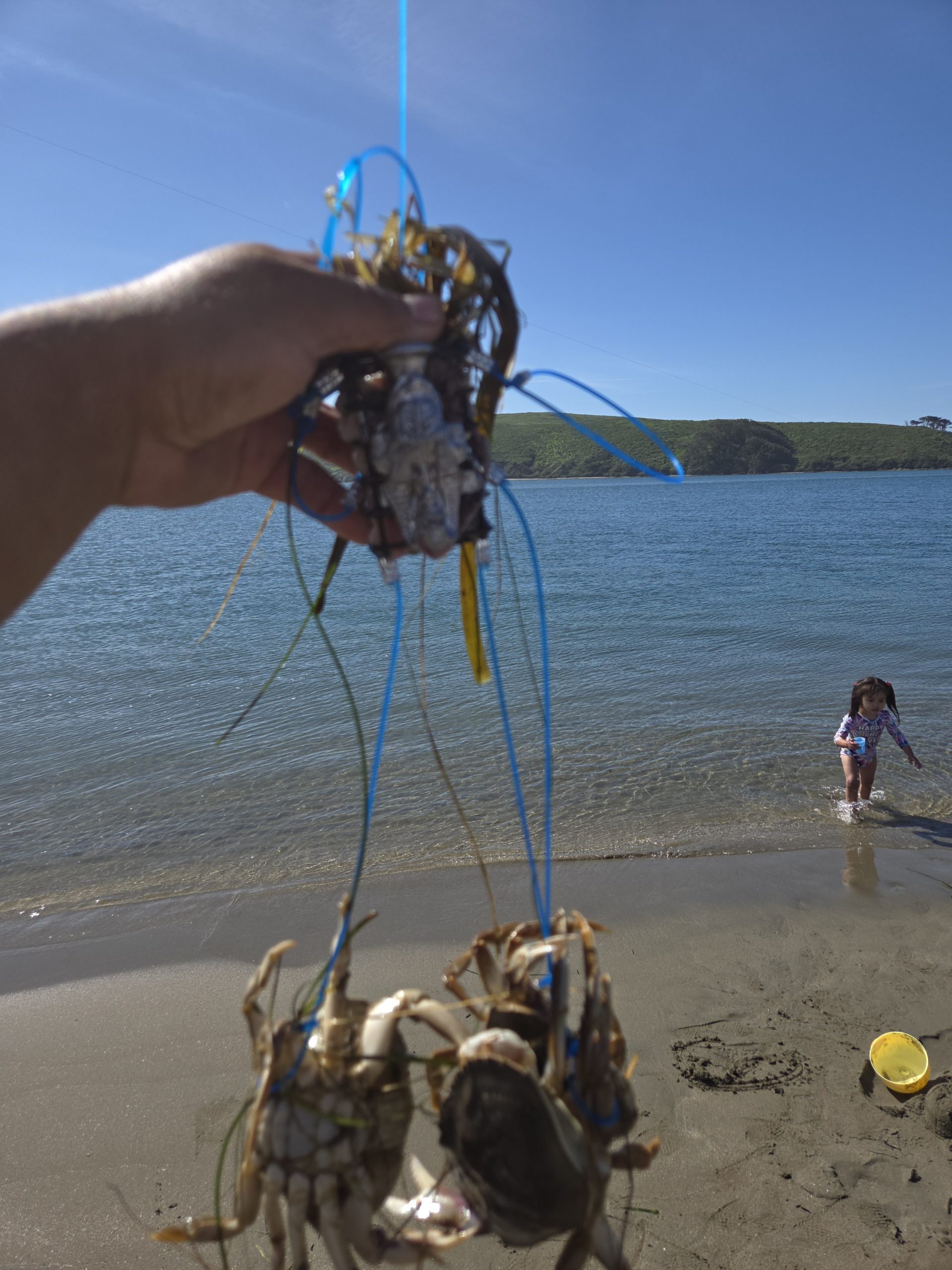
Start by securing one end of your line to a submerged log or heavy anchor, then walk the opposite end to a hidden shore-tree, keeping the entire setup low-profile. Sink the line just below the surface and let it sit; patience matters more than movement here. If you’re stocking up beforehand, look for reliable Dillon Beach crab gear built to handle the tension of hand-lining rather than winch retrieval.
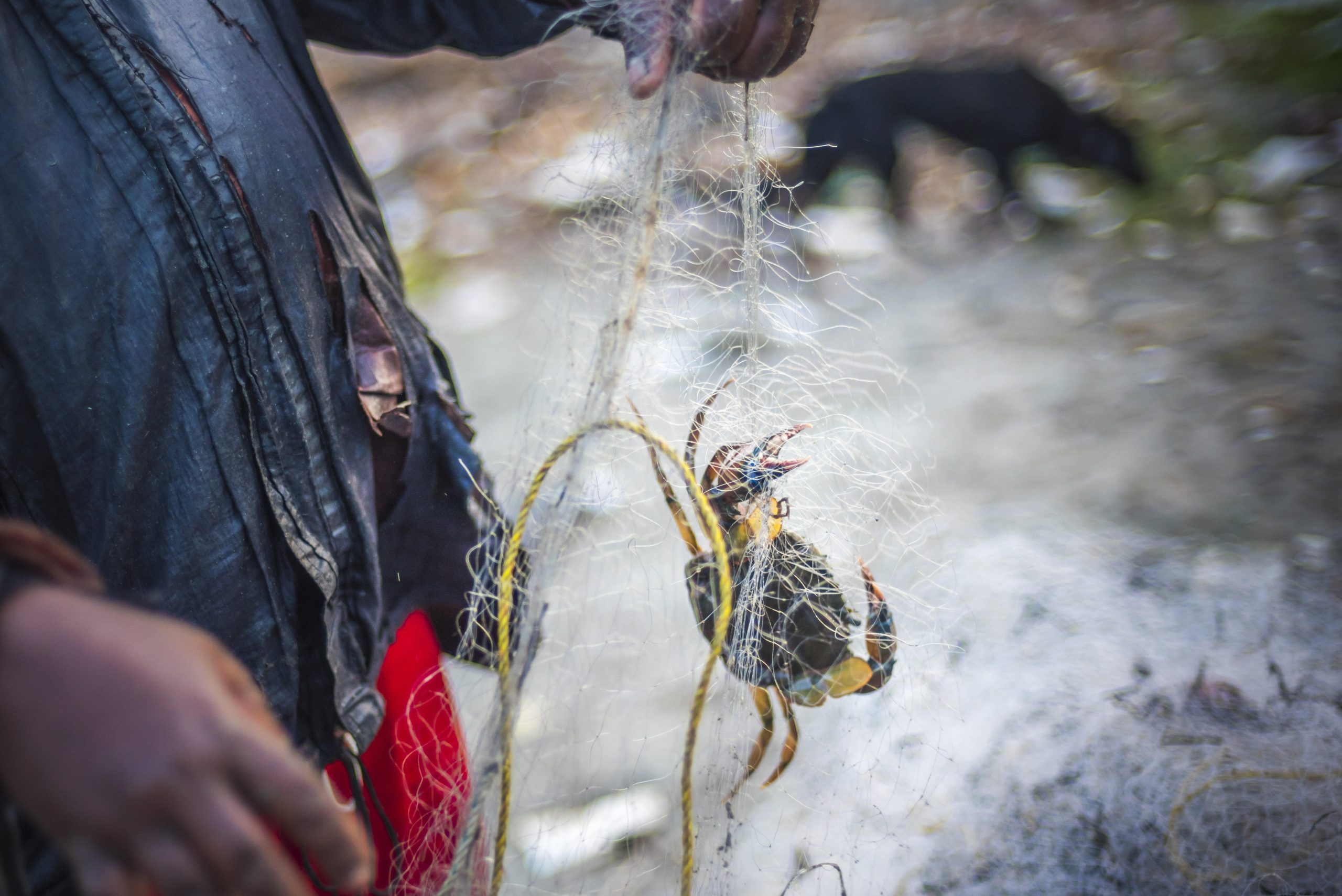
Once crabs begin climbing aboard, you won’t see a bob or a pull on a rod. Instead, you’ll feel it — a subtle tug transmitted straight through the rope as you walk it in, hand-over-hand, from shore. Stay calm and steady, since sudden movements can spook a crab off the line entirely.
Tie your anchor correctly, respect the tide, and never leave your line unattended. Get it wrong, and the ocean will remind you exactly why it’s called Widow’s Rope.